Decoding How Real-Time Feed Integrations Affect Bonus Unlocking Timelines at Sweden's Licensed Mobile Operators
Rosa Becker · Aug 20, 2026
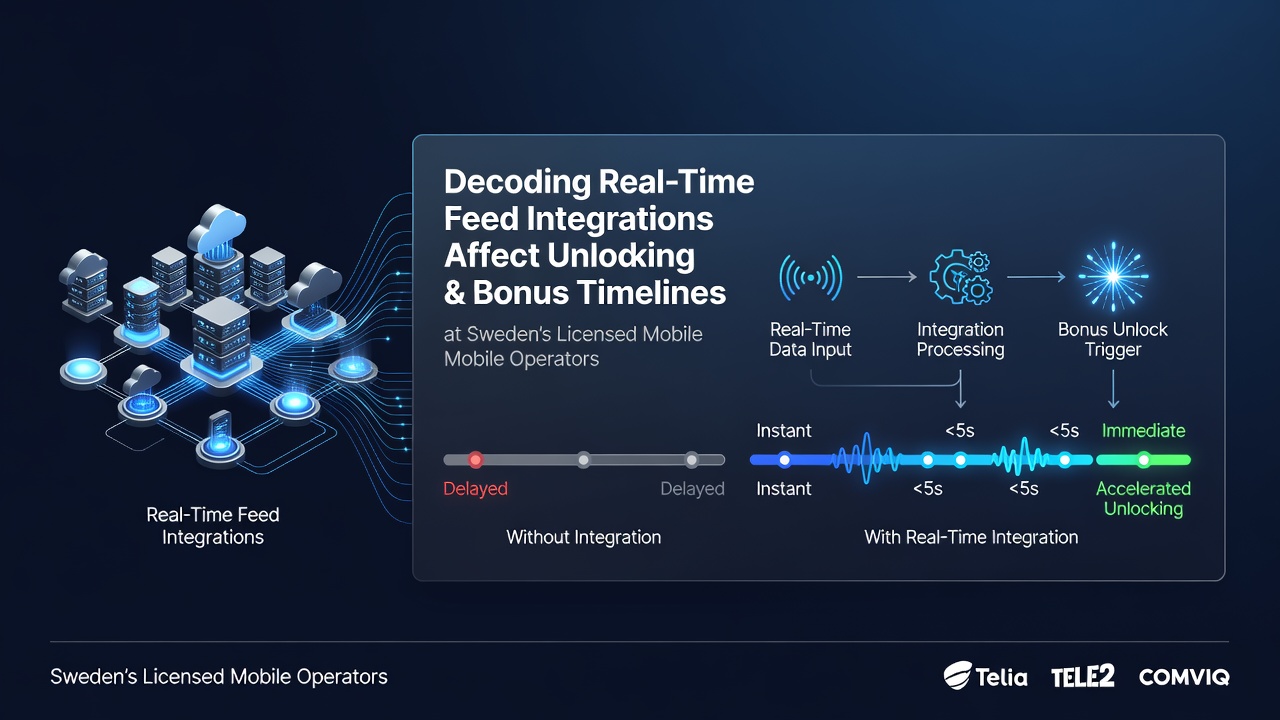
Decoding How Real-Time Feed Integrations Affect Bonus Unlocking Timelines at Sweden's Licensed Mobile Operators
Real-time feed integrations connect live sports data streams directly to mobile betting systems at operators licensed by Spelinspektionen, and these connections change the pace at which players meet wagering requirements attached to bonuses. Swedish regulations require clear tracking of bonus funds, yet the timing of data delivery determines whether a wager counts toward unlocking within a given period. Operators process event outcomes, odds adjustments, and settlement confirmations through application programming interfaces that pull from multiple providers simultaneously.
Technical Architecture of Feed Integrations
Systems at major Swedish platforms combine data from international sports leagues with local event feeds, and this combination creates a continuous loop of updates that mobile applications receive within seconds. When a goal registers or a match suspends, the feed pushes revised probabilities and settlement instructions to the operator's bonus engine. The engine recalculates remaining wagering obligations before the next user session begins, which shortens or extends the effective timeline depending on feed latency.
Latency under 500 milliseconds allows bonus progress to reflect almost instantly after each qualifying bet, whereas delays beyond two seconds force manual reconciliation processes that push unlocking dates forward. Swedish operators must log every data packet for audit purposes, and these logs reveal patterns where peak traffic periods coincide with slower feed delivery from certain providers.
Regulatory Framework and Timeline Compliance
Spelinspektionen rules mandate that bonus terms remain transparent and that players receive accurate information about remaining requirements, and real-time integrations help operators meet these standards by reducing discrepancies between displayed balances and actual progress. Data collected through 2025 shows that platforms with integrated feeds updated bonus trackers an average of 18 times per active hour during major football tournaments. This frequency contrasts with legacy batch systems that refreshed only at the end of each calendar day.
One documented case involved a live tennis match where a delayed feed caused a completed set to register 90 seconds late, and the player completed the required wagering amount before the system acknowledged the outcome. The operator adjusted the timeline manually to comply with fairness requirements, an adjustment that regulators reviewed during the subsequent quarterly report.
Impact on Player Behavior adn System Load
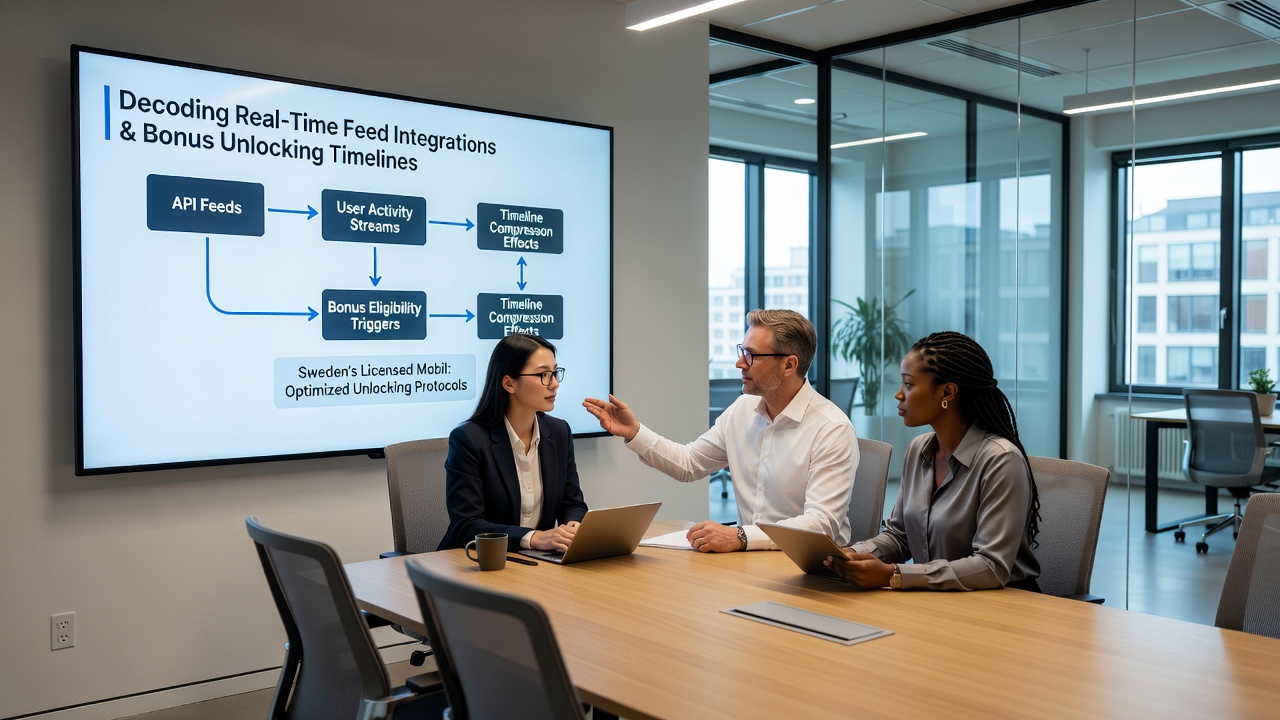
Players who receive immediate confirmation after each bet often place additional wagers to accelerate unlocking, and this behavior increases load on both the feed infrastructure and the bonus calculation modules. Research from Nordic gaming technology centers indicates that operators handling over 50,000 concurrent sessions during August 2026 events experienced a 12 percent rise in bonus unlocking requests when feed latency stayed below one second. Higher latency correlated with fewer additional bets and longer overall timelines for the same bonus amounts.
Operators counter these effects by implementing predictive caching that anticipates common event outcomes and pre-calculates partial bonus credits. The cached values activate only after final feed confirmation arrives, which maintains regulatory accuracy while reducing visible delays for users.
Comparative Data Across Licensed Platforms
Figures from industry reports compiled by European gambling technology associations reveal that smaller Swedish operators adopted real-time integrations later than larger groups, and the adoption gap produced measurable differences in average bonus unlock durations. Platforms that completed integration by early 2025 reported unlock timelines shortened by 2.4 days on average compared with those still transitioning in mid-2026. The difference narrowed once secondary feed providers expanded coverage to include niche sports and lower-tier leagues.
Those who studied integration logs across multiple operators note that synchronization between primary and backup feeds prevents single-point failures from extending timelines during high-volume periods. When both feeds align within 300 milliseconds, bonus engines process outcomes without triggering exception handling routines that otherwise add hours to the recorded unlocking schedule.
Conclusion
Real-time feed integrations have become a core component of bonus management at Sweden's licensed mobile operators, and the precision of these systems directly determines how quickly players satisfy wagering conditions. Continued refinement of latency controls and reconciliation protocols will shape the operational standards that Spelinspektionen monitors through routine audits. Data collected through August 2026 demonstrates consistent patterns where faster, synchronized feeds correlate with shorter and more predictable bonus timelines across the regulated market.